About the Center
The Center for Reparations Finance and Practice is an independent, transnational hub dedicated to translating reparations principles into concrete financial architecture, governance models, and accountability tools.
The relationship between racialized enslavement and the development of capitalism is not incidental. It is constitutive. The stock exchange, the insurance market, the risk pool: each was shaped by the trade in African bodies. Without capital, the harm would have remained isolated. Capital is what enabled scale. And scale is how extraction became embedded in society.
In all of it, what was calculated out, or added only to the ledger of the owner, was what was owed to the people on whose labor and lives the entire enterprise depended. The labor was never valued. The care was never valued. The expertise was never valued. To search for capitalism without accounting for this history is to search for capitalism with one eye closed.
This is why the Center locates its work in capital. The impetus, the motivation, and the reward were all intertwined with it. A reparative practice must therefore use the instruments of capital to bring back what capital took. Not because these are the tools we would have chosen, but because they are the tools that systemized the harm, and they are the only tools capable of operating at the scale repair requires.
Investing with memory: The discipline of carrying accountability, care, and stewardship for the future into capital allocation so that money answers to repair as well as return.
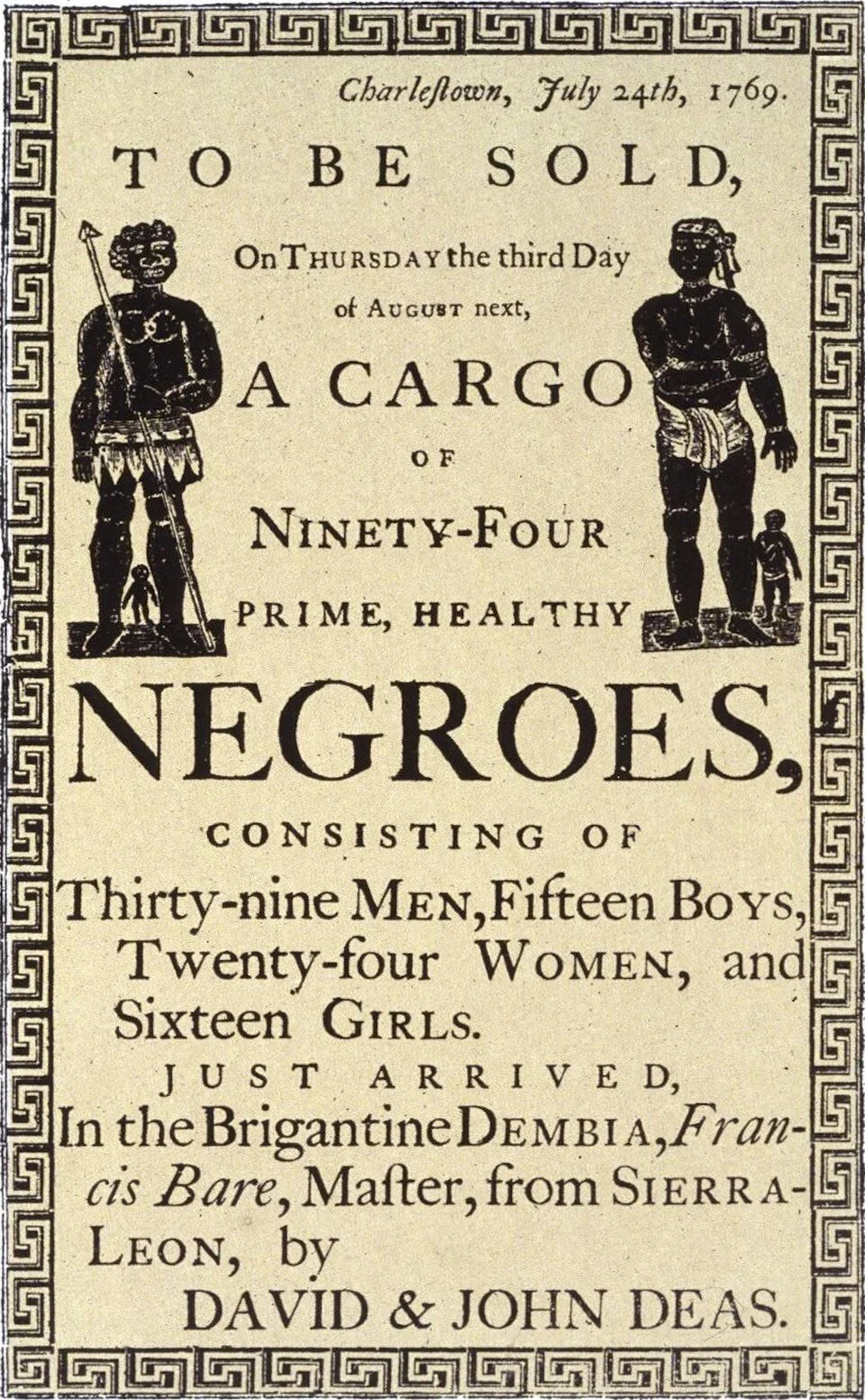
This discipline is grounded in specifics. In the United States, public capital built generational wealth for white Americans through the GI Bill, the Homestead Act, land-grant colleges, and federal housing policy, while systematically withholding the same from Black ones. Across the former colonial powers, sovereign wealth was accumulated through the direct proceeds of the trade in African bodies and the resources extracted from colonized lands.
In every case, the mechanism was the same: capital deployed to build wealth for some and extract it from others. Investing with memory means carrying these histories into every capital decision. Not simply as rhetoric, but as diagnostic.
How the Center Works

Theory
The Center develops and curates the intellectual foundation for reparative finance. This includes original research on the historical relationship between racialized extraction and capital formation, economic analysis grounding the case for repair, and publications that equip practitioners, policymakers, and institutions with the evidentiary base the work requires. Theory is not background reading. It is the diagnostic architecture that determines where capital must go, why, and on what terms.

Practice
The Center designs, builds, and advances applied frameworks for reparative capital deployment. These include financial models, governance structures, accountability tools, and case documentation drawn from jurisdictions and institutions already enacting repair: municipal restitution programs, sovereign reparations frameworks, institutional capital commitments, and community-led repair initiatives. The Center provides teaching, training, and technical guidance so that a community, institution, or nation beginning this work does not start from scratch. Every framework the Center distributes is examined, pressure-tested, and built to deploy.

Emergence
The Center supports, connects, and convenes a transnational community of practice: practitioners, researchers, policymakers, and communities engaged in reparative finance across the diaspora and the continent. Laboratories at their core are not siloed places. They are thriving places of exchange, of data, of ideas, of lived experience. Through structured convenings, collaborative research, and cross-jurisdictional exchange, the Center surfaces what is working, identifies where existing frameworks fall short, and builds new tools in direct response to practitioner need. The harm shows up differently in every community. The Center ensures that the people closest to those realities are the ones shaping the architecture of repair.
A note from our
Executive Director
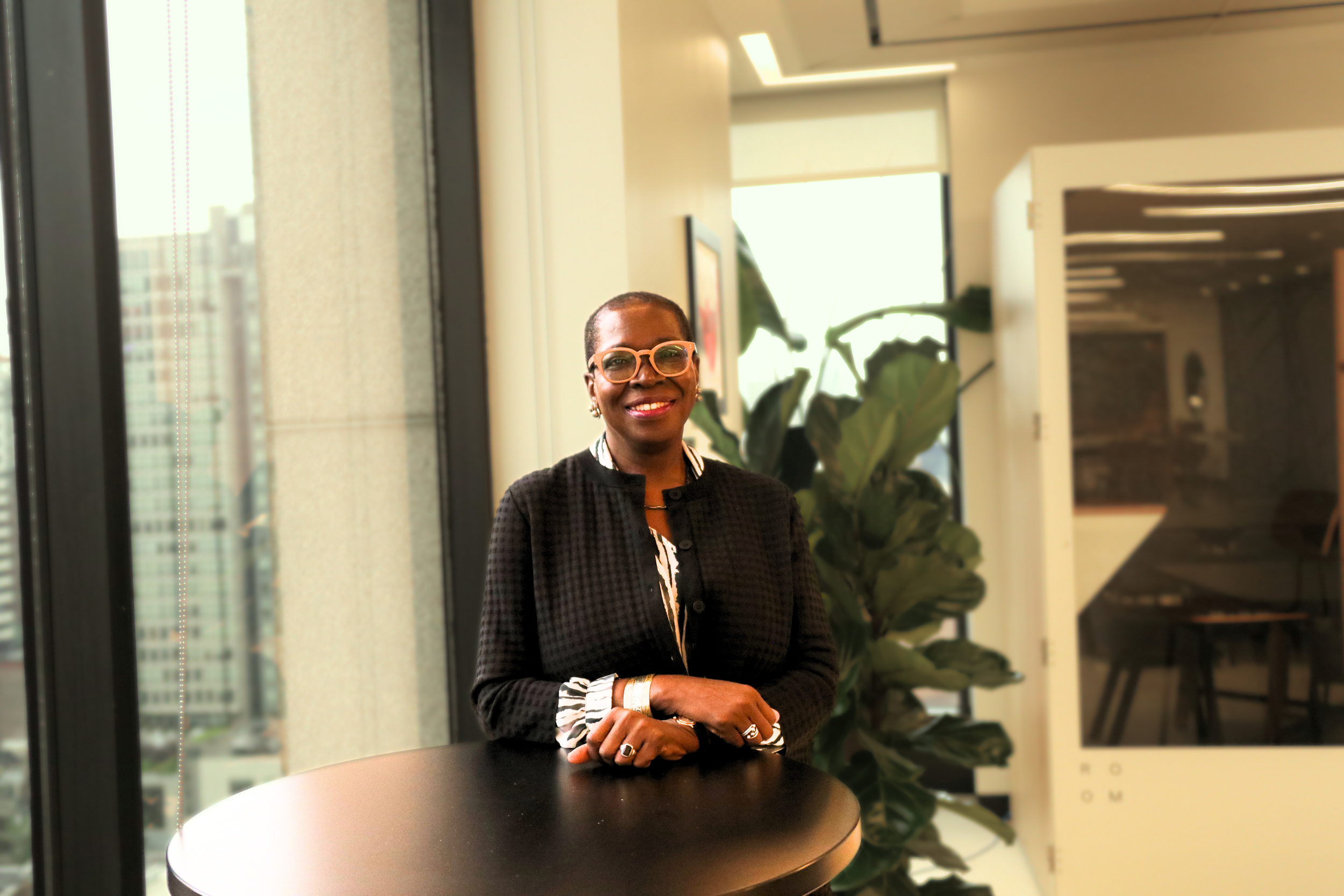
I have been thinking about the relationship between power, capital, and repair for forty years.
Long before this Center existed, I carried a conviction shaped by thinkers who insisted that those most harmed by legacies of enslavement and structural discrimination are not problems to be solved by outside expertise, but people with standing, knowledge, and legitimate claims that the world has been structured to ignore.
These were not safe thinkers. They were committed ones. I have carried their lessons into every room I have entered in this work.
I came to this work with a set of skills from capital markets, and a question: how would one apply capital meaningfully, and at scale, to address these harms? You have to deal with the system you have and the realities you have. It requires a willingness to be taught as well as to teach. To be curious, but also to build. To enact in ways that are measurable. To not stop at recognition, but move toward transformation.
Today, what I bring to this work is not a tool. It is a practice built over a lifetime.
I am part of a long lineage of repair and resistance that is very much alive. It lives in settled Black communities tending their sacred inheritance across generations. It lives in practitioners and scholars across the diaspora who refuse to wait for permission. And it lives in the simple but demanding premise at the heart of this work: that repair is not a gift. It is a process, and the people to whom it is owed must be at the center of it — not as symbols of what went wrong, but as architects of what comes next.